How to Choose the Right Plastic Recycling Pelletizer for PP, PE, HDPE, and LDPE Waste
Introduction
As global demand for recycled plastics grows, investing in a high-performance plastic recycling pelletizer (also called a plastic granulator) is critical for recycling plant owners, plastic processors, and purchasing managers. This article provides practical buying advice for pelletizers handling PP, PE, HDPE, LDPE, and other common waste plastics, covering machine selection, output stability, maintenance, energy efficiency, warranty, and supplier support.
Understanding Your Feedstock
Before selecting a pelletizer, analyze your waste plastic types. PP (polypropylene) and PE (polyethylene) – including HDPE and LDPE – have different melting points and flow characteristics. A machine designed for mixed waste should offer adjustable temperature zones and screw designs to handle varying materials without degradation. For single-stream recycling (e.g., only HDPE), a dedicated setup can optimize output and quality.
Key Machine Selection Criteria
1. Output Capacity and Stability
Evaluate the throughput in kg/h. For small to medium plants, 200–500 kg/h is common; larger operations may need 1000+ kg/h. Ensure the motor power, screw diameter, and die design match your target output. Stable output requires robust gearbox and inverter control to handle feed fluctuations. Ask for test reports with your specific material.
2. Energy Efficiency
Energy costs are a major operational expense. Look for machines with servo motors or variable frequency drives (VFDs) that adjust power consumption based on load. Insulated barrels and energy-saving screw designs can reduce electricity use by 15–30%. Request specific kWh per kg data from suppliers.
3. Maintenance and Durability
Pelletizers experience wear from abrasive contaminants. Choose models with hardened steel screws and barrels (e.g., nitrided or bimetallic). Easy-access filter screens and quick-clean die heads minimize downtime. Ask about spare parts availability and recommended maintenance intervals.
Warranty and After-Sales Service
A comprehensive warranty (typically 1–2 years) should cover defects in materials and workmanship. Confirm the supplier’s response time for technical support and whether they offer on-site installation and training. Reliable suppliers provide remote troubleshooting and stock critical spare parts.
Application Scenarios
- Film Recycling (LDPE/LLDPE): Requires a cutter-compactor or agglomerator feeding system to handle light, fluffy material. Look for a pelletizer with forced feeding and degassing vent.
- Rigid HDPE/PP Recycling: Needs strong cutting and plasticizing. A single-stage pelletizer with a screen changer is often sufficient for clean scrap.
- Mixed Waste: Consider a two-stage pelletizer with filtration and devolatilization to remove contaminants and volatiles.
Practical Buying Advice
- Request a trial run with your own material to verify pellet quality and output.
- Compare total cost of ownership: price + energy consumption + maintenance + spare parts.
- Check certifications (CE, ISO) and supplier references.
- Ensure the supplier offers a clear warranty policy and local service support.
Conclusion
Choosing the right plastic recycling pelletizer involves balancing material characteristics, output needs, energy efficiency, and supplier reliability. By focusing on these factors, you can secure a machine that delivers stable, high-quality pellets for years. Partner with a supplier that understands your process and offers genuine after-sales support.
Product Image Gallery
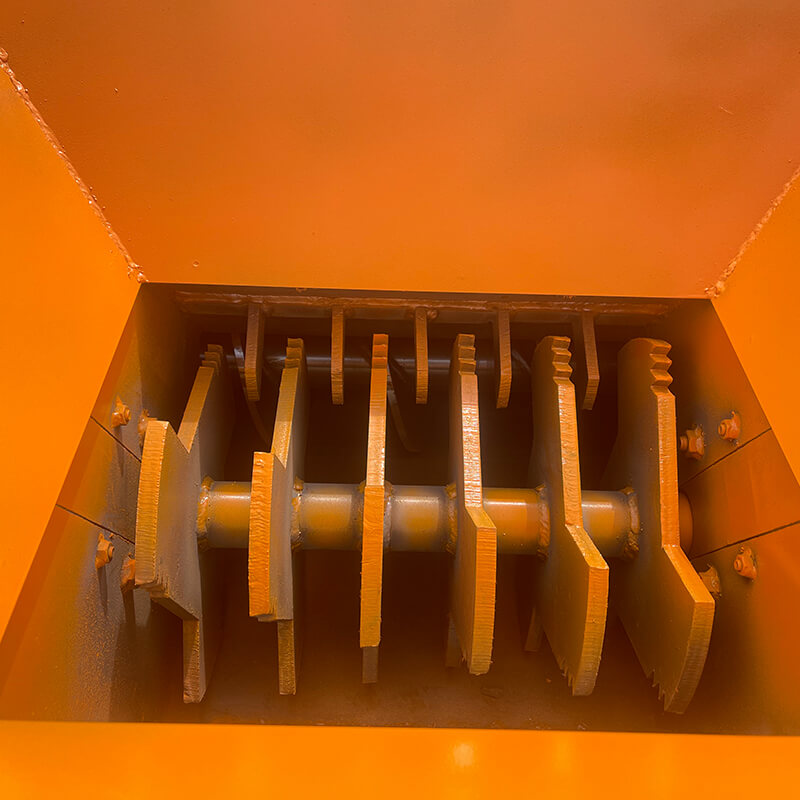
The following images provide additional visual reference for buyers comparing product structure, application value, and equipment details.


Sample Image Gallery