How to Choose the Right Plastic Recycling Pelletizer for PP, PE, HDPE, and LDPE
Introduction
As a B2B buyer in the plastic recycling industry, selecting the right pelletizer (granulator) is critical to your operation's efficiency, output quality, and long-term profitability. Whether you process PP, PE, HDPE, or LDPE, understanding key machine features and supplier support can make the difference between a smooth production line and costly downtime. This article provides practical buying advice for recycling plant owners, plastic processors, and purchasing managers.
Understanding Your Material and Output Requirements
Different plastics have unique melting points, flow characteristics, and contamination levels. For PP and PE, you need a machine with robust screw design and efficient heating zones to handle varying melt flow indices. HDPE requires higher torque and wear-resistant components due to its rigidity, while LDPE demands gentle processing to avoid degradation. Always match the pelletizer's capacity (kg/h) to your washing line's output to avoid bottlenecks.
Key Machine Selection Criteria
1. Screw and Barrel Design
Look for bimetallic screws and barrels with high hardness (e.g., nitrided steel) to resist abrasion from contaminants like glass or metal residues. A vented barrel design helps remove moisture and volatiles, improving pellet quality.
2. Cutting System
Choose between hot-cut (suitable for PE/PP) and cold-cut (better for HDPE) based on your material. Ensure blades are made of durable tool steel and are easily adjustable for consistent pellet size.
3. Energy Efficiency
Inquire about the machine's specific energy consumption (kWh per kg). Modern pelletizers with servo motors and insulated barrels can reduce energy costs by up to 30%.
4. Output Stability
Stable output depends on consistent feeding, temperature control, and screw speed regulation. Machines with PLC-based controls and closed-loop systems maintain uniformity even with fluctuating feedstock quality.
Maintenance and Longevity
Regular maintenance is key to maximizing uptime. Choose a pelletizer with easy-access components for cleaning and part replacement. Ask suppliers about recommended maintenance schedules and availability of spare parts. Machines with modular designs allow for quick screw and barrel changes.
Warranty and Supplier Support
A comprehensive warranty (typically 1-2 years) on major components is essential. Beyond warranty, evaluate the supplier's technical support: do they offer remote diagnostics, on-site training, or installation assistance? Reliable suppliers often provide process optimization tips to improve your pellet quality and yield.
Application Scenarios
- Post-consumer waste recycling: For mixed PP/PE from packaging, a pelletizer with efficient filtration and degassing is critical.
- Industrial scrap reprocessing: HDPE drums or LDPE film require dedicated screw designs to handle bulk density variations.
- High-output plants: Consider twin-screw extruders for higher throughput and better mixing when processing heavily contaminated materials.
Conclusion
Choosing the right plastic recycling pelletizer is an investment in your production efficiency and product quality. Focus on material compatibility, machine durability, energy savings, and strong after-sales support. By evaluating these factors, you can select a granulator that delivers stable output, low maintenance, and a fast return on investment.
Product Image Gallery
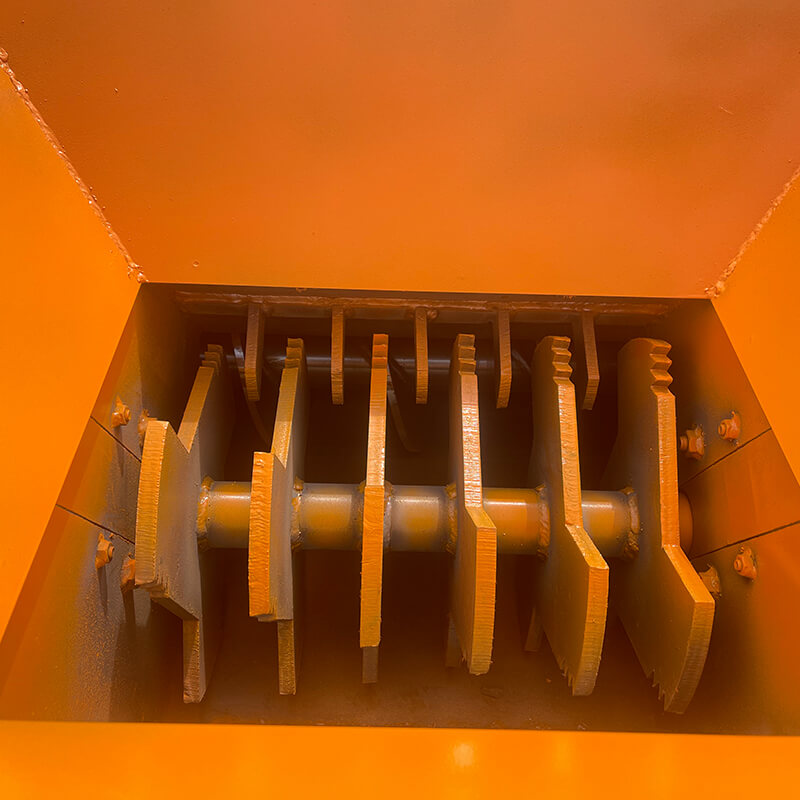
The following images provide additional visual reference for buyers comparing product structure, application value, and equipment details.


Sample Image Gallery