How to Choose the Right Plastic Recycling Pelletizer for PP, PE, HDPE, and LDPE
Introduction
In the competitive world of plastic recycling, selecting the right pelletizer or granulator is critical for maximizing output, ensuring product quality, and controlling operational costs. Whether you process PP, PE, HDPE, or LDPE, understanding machine specifications, maintenance needs, and supplier support can make or break your recycling line. This guide provides practical advice for B2B buyers, recycling plant owners, and purchasing managers.
Key Considerations for Pelletizer Selection
Material Compatibility
Different plastics require different processing conditions. For example, PP has a higher melting point than PE, while HDPE is more rigid than LDPE. A versatile pelletizer should handle a range of materials without excessive wear or degradation. Look for machines with adjustable temperature zones and screw designs optimized for polyolefins.
Output Stability
Consistent pellet quality depends on stable extrusion and cutting. Check the motor power, screw L/D ratio, and die design. A robust gearbox and inverter-controlled motor help maintain torque even with fluctuating feed. Ask suppliers for output stability data under various conditions.
Energy Efficiency
Electricity is a major cost in recycling. Modern pelletizers with servo-driven cutters, energy-efficient motors, and insulated barrels can reduce power consumption by 20-30%. Request specific kWh per kg figures for your target materials.
Maintenance and Durability
Downtime due to maintenance is costly. Choose pelletizers with hardened steel screws, replaceable barrel liners, and easy-access cutting chambers. Automatic lubrication systems and wear indicators extend service life. Regular maintenance includes cleaning screens, checking heater bands, and aligning cutting blades.
Warranty and Supplier Service
A comprehensive warranty (typically 1-2 years) covers defects and workmanship. However, after-sales support is equally important. Suppliers should offer remote troubleshooting, spare parts availability, and on-site training. Look for manufacturers with a local service network in your region.
Application Scenarios
- Post-consumer waste: For mixed PE/PP films, a heavy-duty shredder-pelletizer combo with efficient filtration is needed to handle contaminants.
- Industrial scrap: Clean HDPE or PP scrap can be processed with a simpler, high-speed granulator for direct reuse.
- LDPE film recycling: A pelletizer with degassing and melt filtration ensures high-quality output for film blowing.
Conclusion
Choosing the right plastic recycling pelletizer involves balancing material compatibility, output stability, energy savings, and supplier reliability. By prioritizing these factors, you can achieve consistent pellet quality, lower operating costs, and a strong return on investment. Always request a test run with your materials before finalizing a purchase.
Product Image Gallery
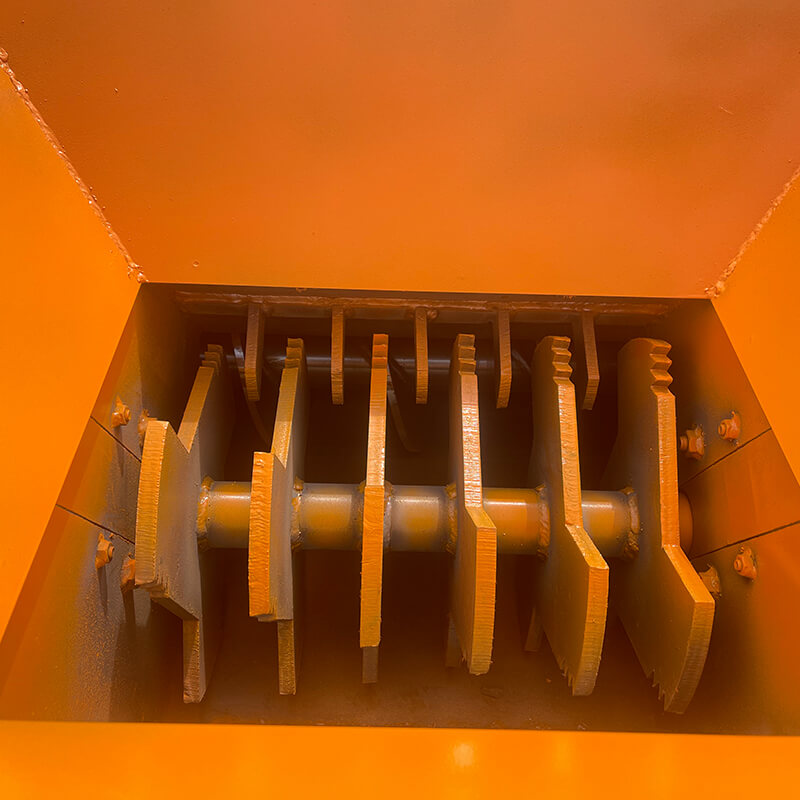
The following images provide additional visual reference for buyers comparing product structure, application value, and equipment details.


Sample Image Gallery