How to Choose a Plastic Recycling Pelletizer for PP, PE, HDPE, LDPE: A Buyer’s Guide
Introduction
Investing in a plastic recycling pelletizer (also called a plastic granulator) is a critical decision for recycling plant owners, plastic processors, and purchasing managers. The right machine can significantly improve output stability, reduce energy consumption, and ensure consistent pellet quality for PP, PE, HDPE, and LDPE waste. This guide provides practical buying advice, covering machine selection, maintenance, warranty, and supplier service.
Understanding Pelletizer Types
There are two main types of pelletizers for plastic recycling: strand pelletizers and underwater pelletizers. For most B2B buyers processing post-industrial or post-consumer waste, strand pelletizers are cost-effective and suitable for PP, PE, HDPE, and LDPE. Underwater pelletizers offer higher output and better pellet uniformity but come at a higher initial investment.
Key Selection Criteria
- Throughput Capacity: Match the machine’s capacity (kg/h) to your current and planned waste volume. Oversizing wastes energy; undersizing limits growth.
- Material Compatibility: Ensure the pelletizer can handle mixed plastics or specific polymers like PP, PE, HDPE, LDPE. Look for adjustable cutter speed and temperature control.
- Energy Efficiency: Modern machines with servo-driven feeders and insulated barrels reduce electricity costs by up to 30%.
- Output Stability: Consistent pellet size and shape are critical for downstream injection molding or extrusion. Check for features like automatic screen changers and melt pumps.
Maintenance and Durability
Regular maintenance extends machine life and prevents downtime. Key components to inspect: cutting blades (replace every 6–12 months), screen pack (clean or replace weekly), and gearbox oil (change every 2000 hours). Choose a supplier that offers easy access to spare parts and provides maintenance training.
Energy Saving and Environmental Compliance
Energy-efficient pelletizers reduce operational costs and carbon footprint. Look for machines with variable frequency drives (VFDs) and high-efficiency motors. Additionally, ensure the machine meets local emission standards for noise and dust.
Warranty and Supplier Service
A comprehensive warranty (typically 1–2 years) covers manufacturing defects. Beyond warranty, verify the supplier’s service network, response time, and availability of remote troubleshooting. Reliable suppliers offer installation supervision, operator training, and a dedicated account manager.
Application Scenarios
- Recycling Plant: Process mixed post-consumer PE film into pellets for blow molding.
- Plastic Processor: Convert in-house PP scrap from injection molding into reusable granules.
- Purchasing Manager: Evaluate total cost of ownership including energy, maintenance, and spare parts over 5 years.
Conclusion
Choosing the right plastic recycling pelletizer requires balancing upfront cost with long-term reliability, energy savings, and supplier support. Prioritize machines with proven output stability for PP, PE, HDPE, and LDPE, and partner with suppliers who offer robust after-sales service. A well-selected pelletizer will maximize your recycling efficiency and profitability.
Product Image Gallery
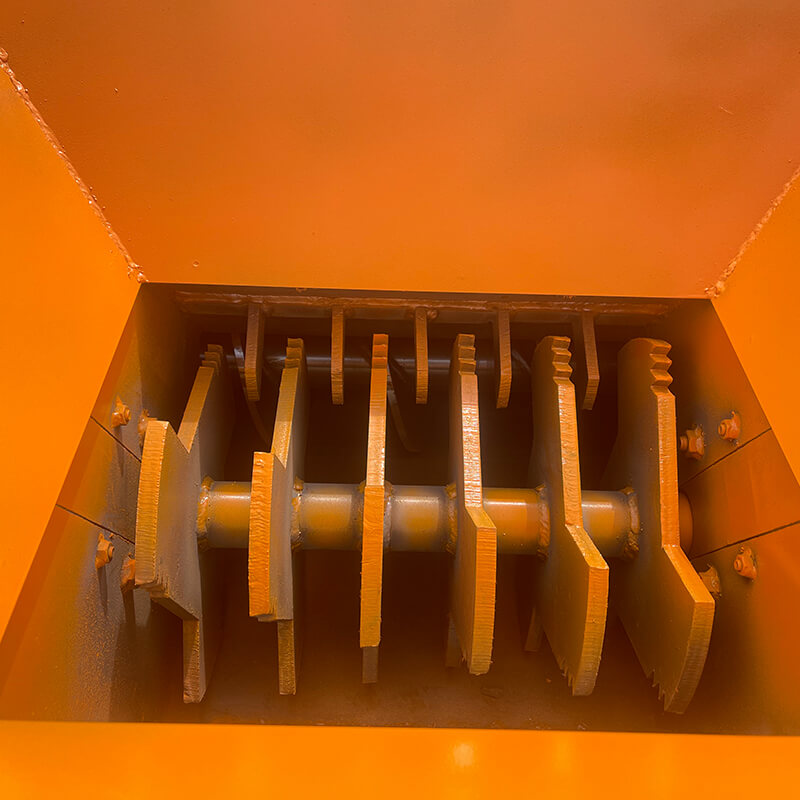
The following images provide additional visual reference for buyers comparing product structure, application value, and equipment details.


Sample Image Gallery