How to Choose a Plastic Recycling Pelletizer for PP, PE, HDPE, LDPE: A B2B Buyer's Guide
Introduction
For recycling plant owners, plastic processors, and purchasing managers, investing in a plastic recycling pelletizer (also known as a plastic granulator) is a critical decision. The right machine can significantly improve output stability, reduce energy consumption, and ensure consistent pellet quality for PP, PE, HDPE, and LDPE waste. This guide provides practical buying advice, application insights, and key considerations for supplier support.
Understanding Your Material and Output Requirements
Different plastics require different processing conditions. PP (polypropylene) tends to be more rigid, while PE (polyethylene) variants like HDPE and LDPE have varying melt flow indexes. A versatile pelletizer should handle multiple resins, but dedicated configurations often yield better efficiency. Consider your daily throughput (kg/h) and desired pellet size (typically 3-5 mm). For high-output plants, a two-stage pelletizing line with forced feeding may be necessary.
Key Machine Selection Criteria
- Output Stability: Look for machines with PLC control and variable frequency drives (VFD) to maintain consistent screw speed and temperature. This minimizes pellet size variation and reduces downtime.
- Energy Efficiency: Energy-saving features like insulated barrels, high-efficiency motors, and optimized screw design can cut electricity costs by 15-30%. Request specific kWh per kg data from suppliers.
- Maintenance and Durability: Choose pelletizers with hardened steel screws and barrels (e.g., nitrided or bi-metallic) to resist wear from abrasive contaminants. Easy-access screens and quick-change die plates reduce maintenance time.
- Cooling and Cutting System: Water-ring or air-cooled pelletizing systems affect pellet morphology. For high-melt-strength materials like HDPE, water-ring cooling is preferred. Ensure the cutter blades are adjustable and durable.
Application Scenarios and Customization
For post-consumer waste (e.g., mixed PP/PE films), a pelletizer with a degassing vent and melt filter is essential to remove volatiles and contaminants. For industrial scrap (e.g., HDPE drums), a heavy-duty shredder-feeder combination may be needed. Many suppliers offer customized screw profiles for specific material blends. Always request a material test run before purchase.
Supplier Service and Warranty
Reliable suppliers provide comprehensive support: pre-sales (material analysis, layout design), installation and training, and after-sales (spare parts availability, remote troubleshooting). Look for a warranty of at least 1-2 years on mechanical parts. Ask for references from similar recycling plants in your region. A supplier with local agents or service centers can reduce downtime.
Conclusion
Choosing the right plastic recycling pelletizer requires balancing machine features, material compatibility, and supplier reliability. Prioritize output stability and energy savings to maximize ROI. Always verify performance through trials and secure a comprehensive service agreement. With the right equipment, your recycling operation can achieve higher throughput, lower costs, and premium pellet quality for the secondary plastics market.
Product Image Gallery
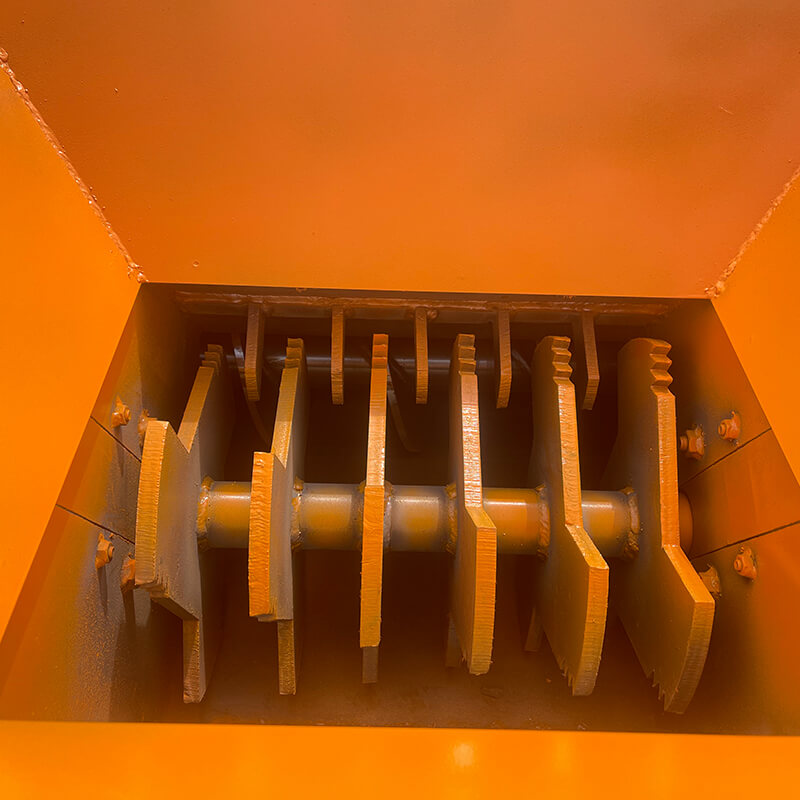
The following images provide additional visual reference for buyers comparing product structure, application value, and equipment details.


Sample Image Gallery