How to Choose a Plastic Recycling Pelletizer for PP, PE, HDPE & LDPE: A B2B Buyer’s Guide
Introduction
For recycling plant owners and plastic processors, selecting the right pelletizer (also called a plastic granulator) is critical for turning waste PP, PE, HDPE, and LDPE into high-quality pellets. This guide covers machine selection, output stability, maintenance, energy saving, warranty, and supplier service to help you make an informed investment.
Understanding Your Feedstock
Different plastics require different machine configurations:
- PP (Polypropylene): Often requires higher temperature control and special screw designs to prevent degradation.
- PE (Polyethylene) – HDPE & LDPE: HDPE is stiffer and may need stronger cutting force; LDPE is softer and can cause bridging in feeding systems.
- Mixed waste: Look for machines with robust filtration and degassing to handle contaminants.
Key Machine Selection Criteria
1. Output Stability
Stable output ensures consistent pellet quality and reduces downtime. Check for:
- Variable frequency drives (VFD) for precise screw speed control.
- Reliable automatic temperature control (±2°C).
- Consistent cutter design – consider strand pelletizers or underwater pelletizers based on your material.
2. Energy Efficiency
Energy costs are a major factor. Look for:
- High-efficiency motors (IE3 or IE4).
- Insulated barrels to reduce heat loss.
- Energy-saving screw designs that reduce friction.
3. Maintenance & Durability
Downtime costs money. Prioritize:
- Easy-access screen changers and cutter heads.
- Hardened steel or tungsten carbide cutting blades for long life.
- Self-cleaning filters to minimize manual cleaning.
Supplier Service & Warranty
A reliable supplier is as important as the machine itself. Ask about:
- Warranty terms: Typical is 1-2 years on parts. Extended warranties may be negotiable.
- Installation & training: On-site or remote commissioning support.
- Spare parts availability: Ensure local stock or fast shipping.
- After-sales service: 24/7 technical support and maintenance contracts.
Application Scenarios
Pelletizers are used in various recycling lines:
- Post-consumer waste: Mixed plastics from municipal recycling – requires heavy-duty filtration.
- Industrial scrap: Clean production waste – simpler machines may suffice.
- Film recycling: LDPE film needs special feeding and degassing.
Conclusion
Choosing the right plastic recycling pelletizer involves balancing output stability, energy efficiency, maintenance ease, and supplier support. Evaluate your specific material mix and production scale, then request a trial or visit the supplier’s facility. A well-chosen machine will deliver consistent pellets and a fast return on investment.
Product Image Gallery
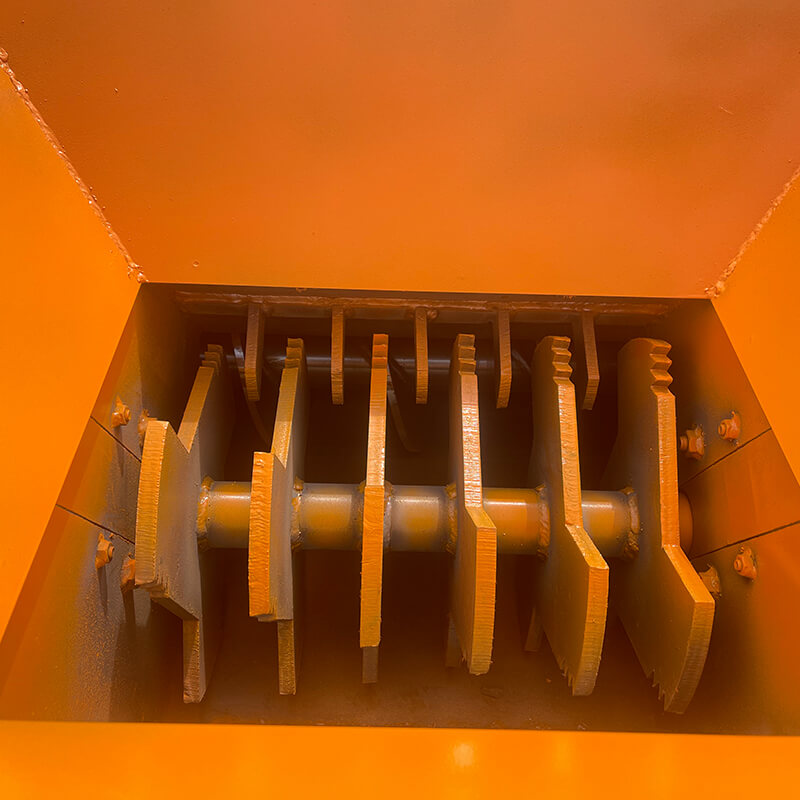
The following images provide additional visual reference for buyers comparing product structure, application value, and equipment details.


Sample Image Gallery