How to Choose a Plastic Recycling Pelletizer for PP, PE, HDPE, and LDPE: A Buyer's Guide
Introduction
As a B2B buyer in the plastic recycling industry, selecting the right pelletizer or granulator is critical to your operation's efficiency, output quality, and long-term profitability. Whether you process PP, PE, HDPE, or LDPE, this guide covers key factors such as machine selection, output stability, maintenance, energy savings, warranty, and supplier service.
Understanding Your Material
Different plastics require different processing parameters. PP and HDPE are more rigid and have higher melting points, while LDPE and LLDPE are softer and more flexible. Ensure the pelletizer is designed for your specific material blend. Machines with separate screw designs for rigid vs. flexible plastics often yield better results.
Key Machine Selection Criteria
- Throughput Capacity: Match the machine's kg/h output to your daily recycling volume. Overloading reduces quality; underloading wastes energy.
- Screw Design: Single-screw extruders are common, but twin-screw models offer better mixing and devolatilization for contaminated feedstocks.
- Filtration System: Continuous screen changers minimize downtime and maintain consistent melt quality.
- Pelletizing Method: Strand pelletizing is reliable for most PE/PP applications; underwater pelletizing reduces dust and is ideal for high-output lines.
Output Stability and Quality
Consistent pellet size and shape are vital for downstream processing. Look for machines with precise temperature control (±1°C), stable screw speed regulation, and robust die plates. A good pelletizer should produce uniform pellets with minimal fines or angel hair.
Maintenance and Reliability
Downtime costs money. Choose a machine with easy-access components, such as hinged barrel covers and quick-release screen changers. Wear-resistant materials (e.g., nitrided steel for screws) extend service life. Request a maintenance schedule and spare parts list from the supplier.
Energy Efficiency
Energy costs are a significant expense. Modern pelletizers with energy-efficient motors (IE3/IE4) and insulated barrels can reduce power consumption by 20-30%. Some suppliers offer variable frequency drives (VFDs) to adjust motor speed based on load, further saving energy.
Warranty and Supplier Support
A comprehensive warranty (typically 12-24 months) covers defects but not wear parts. Verify the supplier's after-sales service: availability of remote troubleshooting, on-site installation, and training. Check references from other recycling plants, especially those processing similar materials.
Application Scenarios
- Post-Consumer Waste: Mixed PP/PE from household collections requires strong filtration and degassing.
- Post-Industrial Scrap: Clean HDPE or LDPE trims can use simpler machines with higher throughput.
- Film Recycling: LDPE/LLDPE films need a crammer feeder or pre-compactor to handle low bulk density.
Conclusion
Investing in the right plastic recycling pelletizer is a strategic decision. Prioritize output stability, energy efficiency, and reliable supplier support. Request a trial run with your material before purchase. A well-chosen machine will deliver consistent pellets, lower operating costs, and a strong return on investment.
Product Image Gallery
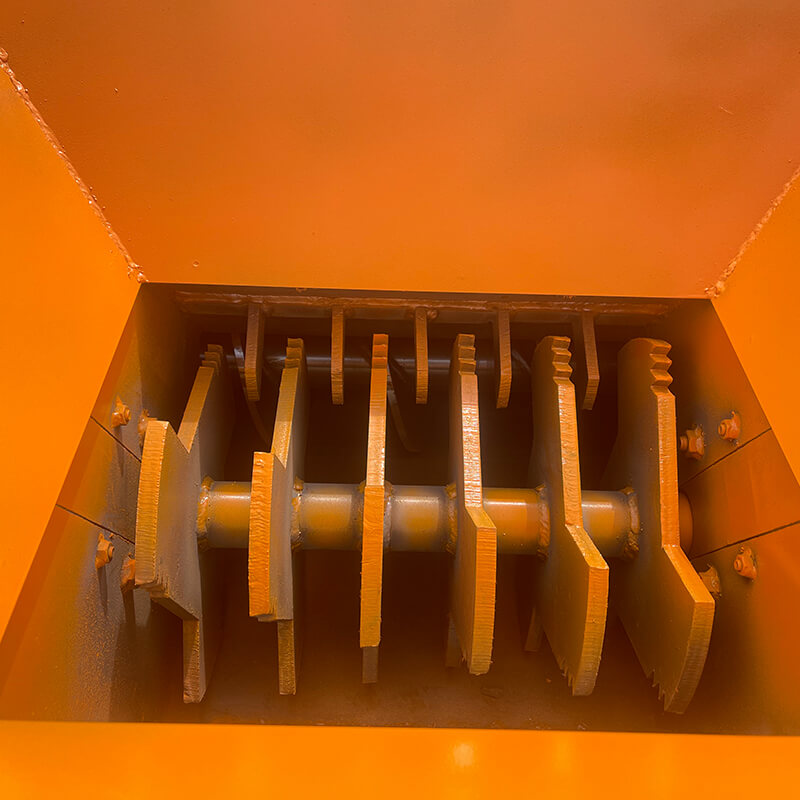
The following images provide additional visual reference for buyers comparing product structure, application value, and equipment details.


Sample Image Gallery