Choosing the Right Plastic Recycling Pelletizer: A B2B Buyer's Guide for PP, PE, HDPE, and LDPE
Introduction
As a B2B buyer in the plastic recycling industry, selecting the right pelletizer is critical for turning waste PP, PE, HDPE, and LDPE into high-quality pellets. This guide covers key factors like machine selection, output stability, maintenance, energy efficiency, warranty, and supplier service to help you make an informed investment.
Understanding Pelletizer Types
Pelletizers for post-consumer and post-industrial waste come in two main types: strand pelletizers and underwater pelletizers. Strand pelletizers are cost-effective and suitable for most PP/PE streams, while underwater systems offer higher capacity and better pellet quality for large-scale operations.
Key Considerations for PP, PE, HDPE, LDPE
Different polymers require specific screw designs and temperature profiles. PP needs higher melt temperatures, while PE requires careful cooling to prevent agglomeration. Ensure the machine supplier provides tailored recommendations for your material mix.
Output Stability and Consistency
Stable output depends on consistent feed quality and machine control. Look for features like variable frequency drives (VFDs), automatic temperature control, and robust cutter designs. Ask suppliers for case studies showing throughput stability over 8-hour shifts.
Maintenance and Energy Saving
Easy-access cutting chambers and wear-resistant materials reduce downtime. Energy-efficient motors and insulated barrels lower operating costs. Request data on specific energy consumption (kWh per kg of pellets) to compare models.
Warranty and Supplier Support
A minimum 12-month warranty on mechanical parts is standard. Prefer suppliers offering remote troubleshooting, spare parts availability, and on-site training. Check references for after-sales service response times.
Application Scenarios
For a recycling plant processing mixed PP/PE film, a compact strand pelletizer with a forced feeder works well. For large-scale HDPE bottle recycling, an underwater pelletizer with automated screen changers maximizes uptime.
Conclusion
Investing in a pelletizer is a long-term decision. Prioritize machines with proven output stability, low maintenance, energy efficiency, and strong supplier support. Request a technical proposal and test run with your actual waste material before purchase.
Product Image Gallery
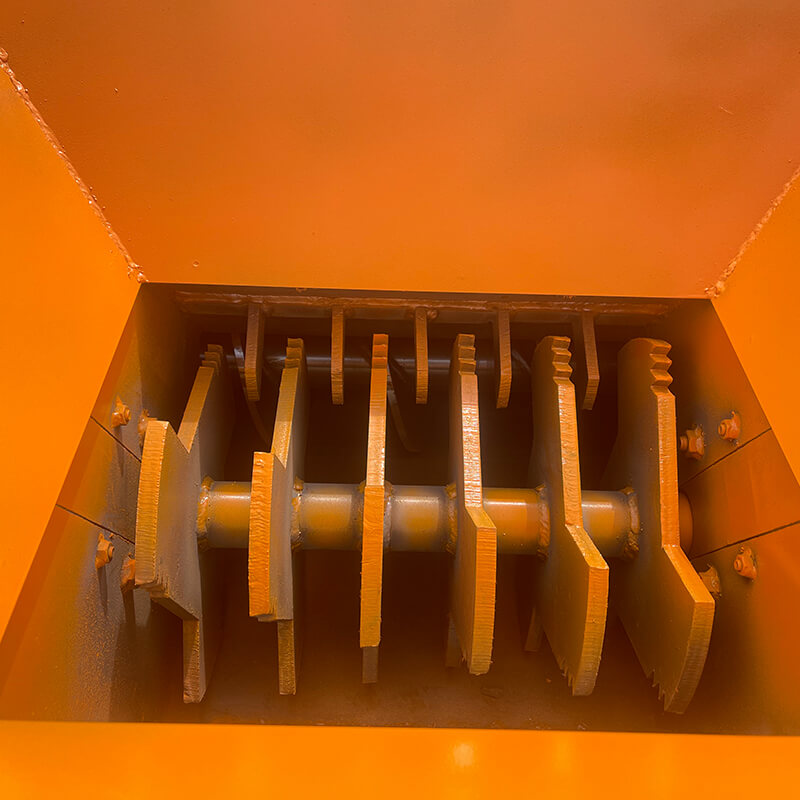
The following images provide additional visual reference for buyers comparing product structure, application value, and equipment details.


Sample Image Gallery