How to Select the Right Plastic Recycling Pelletizer for PP, PE, HDPE, LDPE Waste
Introduction
In the plastic recycling industry, the pelletizer (or granulator) is the heart of your recycling line. Whether you process PP, PE, HDPE, or LDPE waste, choosing the right machine directly impacts output quality, operational costs, and long-term profitability. This guide provides practical advice for B2B buyers—recycling plant owners, plastic processors, and purchasing managers—on selecting a pelletizer that meets your production needs and delivers reliable, energy-efficient performance.
Understanding Your Material and Application
Different plastics behave differently during extrusion and pelletizing. Key considerations include:
- PP (Polypropylene): Higher melting point, requires consistent temperature control to avoid degradation.
- PE (Polyethylene) – HDPE and LDPE: Lower melting points; LDPE is softer and more flexible, while HDPE is stiffer. Both can be processed with single-screw extruders, but material viscosity affects screw design.
- Mixed or contaminated waste: If your feedstock includes multiple polymers or impurities, consider a machine with robust filtration and degassing systems.
Machine Selection Criteria
1. Output Capacity and Stability
Define your required throughput (kg/h or lb/h) based on your waste supply and production targets. Look for machines that maintain stable output even with fluctuating feed quality. Features like variable frequency drives (VFD) and automatic temperature control help maintain consistency.
2. Energy Efficiency
Energy costs are a major operational expense. Modern pelletizers use energy-saving motors, insulated barrels, and optimized screw designs to reduce power consumption per kilogram. Ask suppliers for specific kWh/kg data.
3. Pelletizing System Options
- Strand pelletizing: Common for PP/PE; reliable but requires careful water bath temperature management.
- Underwater pelletizing: Ideal for high-capacity lines; produces uniform pellets and reduces dust.
- Hot die face pelletizing: Suitable for heat-sensitive materials like LDPE.
4. Maintenance and Durability
Choose machines with easy-access components, hardened steel screws and barrels (bimetallic or nitrided), and replaceable wear parts. A good supplier provides a maintenance schedule and readily available spare parts.
Supplier Service and Support
Your relationship with the supplier is as important as the machine itself. Evaluate:
- Warranty: Standard is 1-2 years; longer may indicate confidence in build quality.
- Technical support: On-site installation, training, and remote troubleshooting.
- Spare parts availability: Local stock or fast shipping to minimize downtime.
- Customization: Ability to adjust screw design, die plate, or control system for your specific material.
Application Scenarios
- Washing line integration: If you operate a complete recycling line, ensure the pelletizer matches the output of your shredder and washer.
- Post-consumer vs. post-industrial waste: Post-consumer waste requires more robust filtration (e.g., melt filters) and degassing.
- Color or additive masterbatch: A pelletizer with good mixing capability can produce colored or filled pellets.
Conclusion
Investing in a plastic recycling pelletizer is a long-term decision. Prioritize machine reliability, energy efficiency, and supplier support over upfront price. Test your material with the supplier's demo machine if possible. A well-chosen pelletizer will turn your plastic waste into high-quality, saleable pellets, driving profitability for years to come.
Product Image Gallery
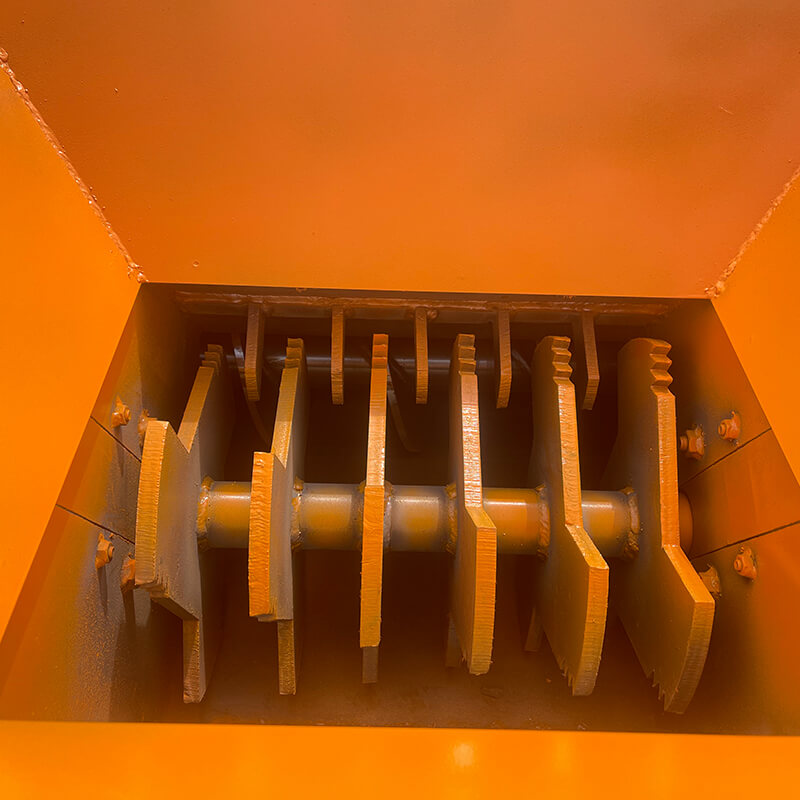
The following images provide additional visual reference for buyers comparing product structure, application value, and equipment details.


Sample Image Gallery