How to Choose the Right Plastic Recycling Pelletizer for PP, PE, HDPE, LDPE Waste
Introduction
Selecting the right plastic recycling pelletizer is crucial for turning waste PP, PE, HDPE, and LDPE into high-quality pellets. This guide helps B2B buyers, recycling plant owners, and purchasing managers evaluate key factors to maximize output stability, energy efficiency, and long-term ROI.
Understanding Your Feedstock
Different plastics behave differently during processing. PP (polypropylene) requires higher temperatures, while PE (polyethylene) flows more easily. HDPE (high-density polyethylene) is stiffer, and LDPE (low-density polyethylene) is softer. Choose a pelletizer with adjustable barrel temperature zones and screw designs optimized for mixed or single-material streams.
Machine Selection Criteria
- Throughput Capacity: Match the machine's hourly output to your daily waste volume. Over-sizing wastes energy; under-sizing causes bottlenecks.
- Screw Design: Single-screw pelletizers are common for general recycling. Twin-screw offers better mixing and devolatilization for contaminated feedstocks.
- Die Face Cutter vs. Strand Pelletizer: Underwater die face cutters produce uniform pellets with less dust, ideal for high-volume lines. Strand pelletizers are simpler and cost-effective for small to medium plants.
- Energy Efficiency: Look for servo-driven motors, insulated barrels, and efficient heating elements to reduce operational costs.
Output Stability and Quality
Consistent pellet size and shape are vital for downstream processing. Features like automatic screen changers, melt pumps, and precise temperature control ensure stable output. Ask suppliers about their filtration system to remove contaminants, which is critical for post-consumer waste.
Maintenance and Durability
Choose machines with wear-resistant components (e.g., bimetallic screws, hardened steel knives). Easy-access maintenance points reduce downtime. Check the warranty terms—typical coverage is 12-24 months for mechanical parts, with extended options available.
Energy Saving and Environmental Compliance
Modern pelletizers can cut energy use by 20-30% compared to older models. Look for variable frequency drives (VFDs) and heat recovery systems. Also ensure the machine meets local emission standards for noise and fumes.
Supplier Support and After-Sales Service
Partner with suppliers who offer installation, training, and spare parts availability. Request references from similar recycling operations. A responsive service team reduces downtime and helps optimize your process over time.
Conclusion
Investing in the right plastic recycling pelletizer improves profitability and sustainability. Evaluate your specific needs, test machines with your material, and prioritize suppliers with strong technical support. Contact us for a customized consultation or to request a quote.
Product Image Gallery
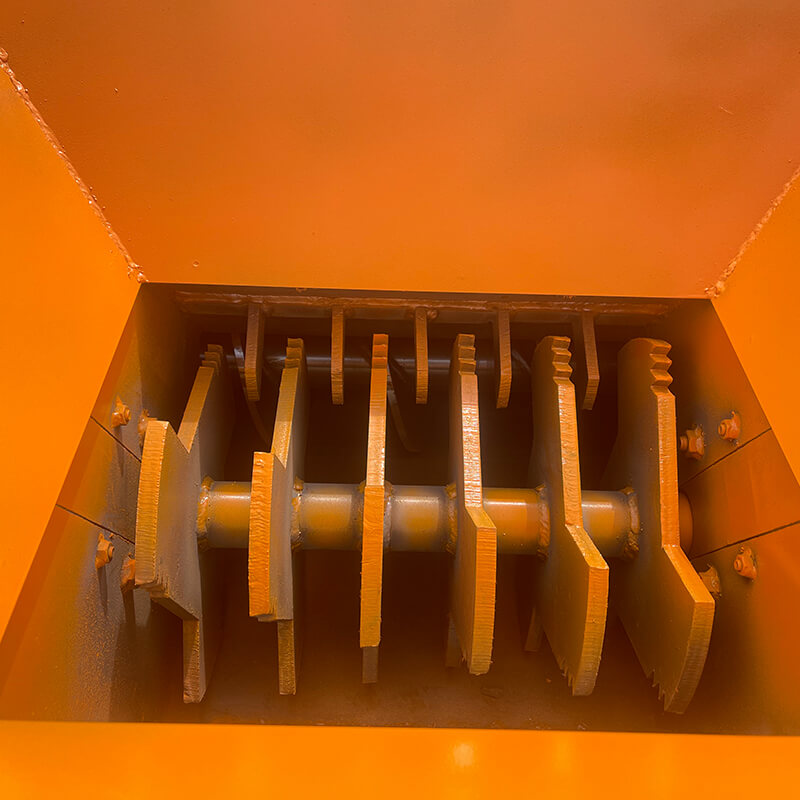
The following images provide additional visual reference for buyers comparing product structure, application value, and equipment details.


Sample Image Gallery