How to Choose the Right Plastic Recycling Pelletizer for PP, PE, HDPE, and LDPE Waste
Introduction
As a B2B buyer or recycling plant owner, investing in a plastic recycling pelletizer (also known as a plastic granulator) is a critical decision. Whether you process PP, PE, HDPE, or LDPE waste, the right machine ensures high-quality pellets, stable output, and long-term profitability. This guide covers key factors in machine selection, maintenance, energy efficiency, and supplier support to help you make an informed purchase.
Understanding Pelletizer Types for Different Polymers
Different plastics require specific pelletizing technologies. For PP and HDPE (higher melting points), a strand pelletizer with forced feeding is common. For LDPE and LLDPE (flexible films), an underwater or water ring pelletizer offers better cooling and prevents sticking. Consider a machine that can handle multiple materials if your feedstock varies. Always ask the supplier for a material compatibility list.
Key Parameters for Output Stability
Output stability depends on screw design, motor power, and temperature control. Look for a screw with a compression ratio tailored to your material (e.g., 3:1 for PP, 2.5:1 for PE). A PLC-based temperature controller with ±1°C accuracy prevents degradation. Ensure the machine has a reliable cutter system (e.g., hydraulic or servo-driven) for consistent pellet size. Ask for test reports with your specific material.
Energy Saving Features
Energy costs are a major operational expense. Modern pelletizers use inverter-driven motors that adjust power based on load, saving 20-30% energy compared to fixed-speed motors. Insulated barrels reduce heat loss. Some models integrate waste heat recovery for pre-drying. Request the specific energy consumption (kWh per kg of pellets) from the supplier.
Maintenance and Longevity
Regular maintenance extends machine life. Key wear parts include screw, barrel liner, cutter blades, and screen changer. Choose a machine with hardened bimetallic screw and barrel (e.g., Xaloy or similar) for abrasive materials like filled PP. Easy-access design for cleaning and blade replacement reduces downtime. Ask about recommended maintenance intervals and availability of spare parts locally.
Warranty and Supplier Support
A comprehensive warranty should cover at least 12-24 months for mechanical parts and 12 months for electrical components. Ensure the supplier provides remote troubleshooting, on-site commissioning, and training for your operators. Check if they have a service network in your region. Request references from similar recycling plants.
Application Scenarios and Value
For a plant processing post-consumer PE film (e.g., shrink wrap), a compact underwater pelletizer with a degassing vent can remove moisture and volatiles. For industrial PP scrap (e.g., big bags), a heavy-duty strand pelletizer with a hydraulic screen changer ensures continuous operation. The right machine turns waste into valuable pellets with consistent melt flow index, opening doors to higher-margin applications like injection molding or extrusion.
Conclusion
Choosing a plastic recycling pelletizer is a long-term investment. Focus on machine versatility, energy efficiency, and robust supplier support. Test the machine with your actual waste, review output stability data, and negotiate a service agreement. With the right equipment, your recycling line can achieve high profitability and contribute to a circular economy.
Product Image Gallery
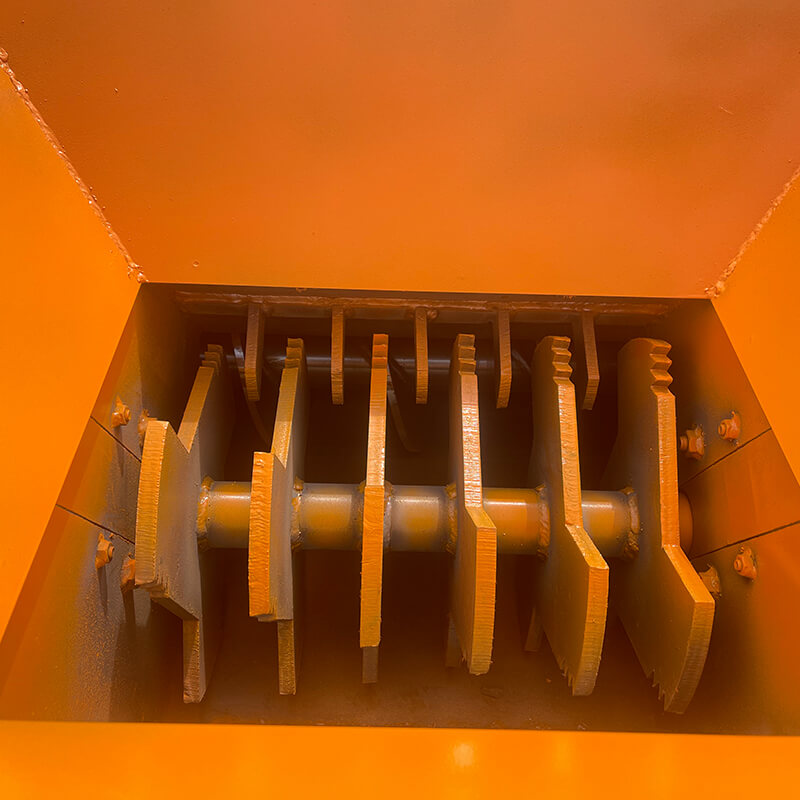
The following images provide additional visual reference for buyers comparing product structure, application value, and equipment details.


Sample Image Gallery