How to Choose the Right Plastic Recycling Pelletizer for PP, PE, HDPE, and LDPE
Introduction
As global demand for recycled plastics grows, investing in a reliable plastic recycling pelletizer (also known as a plastic granulator) is critical for recycling plant owners, plastic processors, and purchasing managers. This guide covers key factors for selecting the right machine for PP, PE, HDPE, and LDPE waste, focusing on output stability, energy efficiency, maintenance, warranty, and supplier support.
Understanding Your Feedstock
Different plastics require different processing conditions. PP (polypropylene) has a higher melting point than PE (polyethylene), while HDPE (high-density polyethylene) is stiffer than LDPE (low-density polyethylene). Ensure your pelletizer can handle the specific melt flow index and contaminants (e.g., labels, adhesives) of your material. Machines with robust screw designs and filtration systems are essential for mixed or dirty feedstocks.
Machine Selection Criteria
Output Stability
Consistent pellet quality is paramount. Look for machines with variable frequency drives (VFD) to control screw speed and temperature zones. A stable output reduces downtime and ensures uniform pellets for downstream extrusion or injection molding.
Energy Saving
Energy costs are a major operational expense. Modern pelletizers with energy-efficient motors, insulated barrels, and optimized screw geometry can reduce power consumption by 15–30%. Ask suppliers for specific kWh per kg data for your target plastic.
Maintenance and Durability
Wear parts like screws, barrels, and cutter blades should be easily accessible. Choose hardened tool steel or bimetallic components for longer life. A maintenance-friendly design with quick-change screen packs and easy cleaning features minimizes downtime.
Warranty and Supplier Service
A comprehensive warranty (typically 1–2 years) and responsive after-sales support are non-negotiable. Verify that the supplier offers:
- Spare parts availability locally or with fast shipping.
- Remote troubleshooting and on-site commissioning.
- Training for your operators on settings, cleaning, and safety.
Check references from other recycling plants, especially those processing similar materials.
Application Scenarios
For a plant processing post-consumer HDPE bottles, a single-stage pelletizer with degassing is often sufficient. For heavily contaminated LDPE film, a two-stage system with pre-washing and forced feeding may be necessary. PP woven bags require high-torque drives to handle tough fibers. Always match the machine to your specific waste stream.
Conclusion
Selecting the right plastic recycling pelletizer is a strategic investment. Prioritize output stability, energy efficiency, easy maintenance, and strong supplier support. By understanding your feedstock and production goals, you can choose a machine that delivers high-quality pellets and long-term profitability.
Product Image Gallery
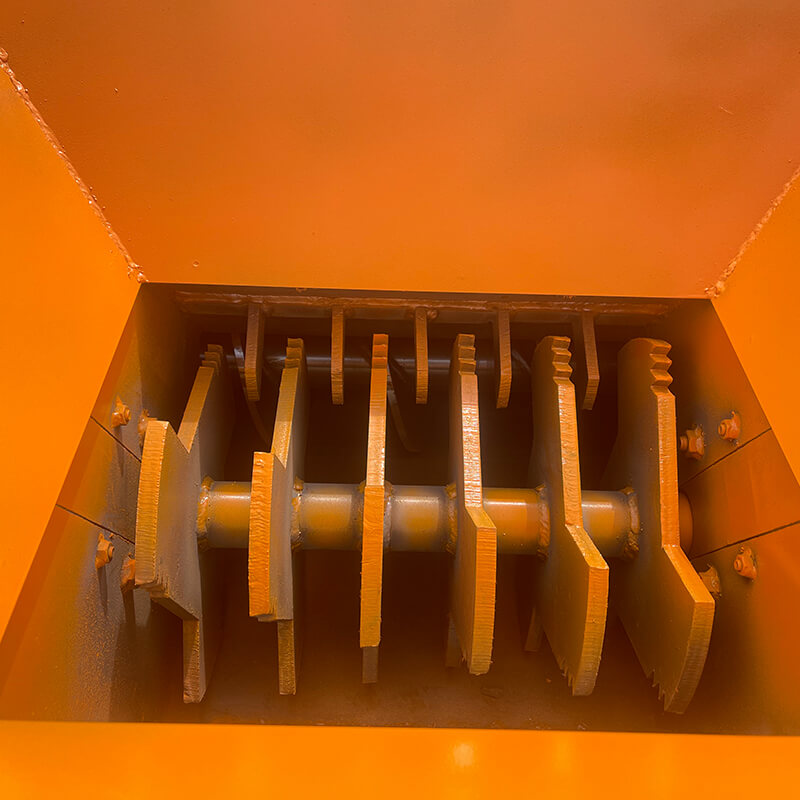
The following images provide additional visual reference for buyers comparing product structure, application value, and equipment details.


Sample Image Gallery