How to Choose a Plastic Recycling Pelletizer for PP, PE, HDPE, LDPE – A B2B Buyer’s Guide
Introduction
For recycling plant owners, plastic processors, and purchasing managers, investing in a plastic recycling pelletizer (also called a plastic granulator) is a critical decision. The right machine can turn waste PP, PE, HDPE, and LDPE into high-quality pellets with stable output, low energy consumption, and minimal downtime. This guide covers key selection criteria, application scenarios, and what to expect from a reliable supplier.
Understanding Your Feedstock
Different plastics require different processing approaches. PP (polypropylene) and PE (polyethylene) – including HDPE and LDPE – have distinct melting points, shrinkage rates, and contamination levels. A versatile pelletizer should handle mixed waste streams, but dedicated configurations for each resin can optimize output quality.
- PP/PE film and woven bags: Require robust shredding and feeding systems to prevent bridging.
- HDPE rigid containers (bottles, drums): Need strong cutting force and efficient cooling to avoid degradation.
- LDPE film (stretch film, agricultural film): Benefit from pre-washing and dewatering to reduce moisture content.
Key Machine Selection Criteria
1. Output Stability
Consistent pellet size and quality depend on the screw design, temperature control, and die face cutter. Look for PLC-controlled systems with variable frequency drives (VFD) that adjust screw speed to maintain constant pressure. A stable output reduces waste and ensures downstream processing efficiency.
2. Energy Efficiency
Energy costs are a major operational expense. Modern pelletizers use energy-saving motors, insulated barrels, and optimized screw geometries to cut power consumption by 15-30% compared to older models. Ask suppliers for specific kWh per ton data for your target plastics.
3. Maintenance and Durability
Downtime is costly. Choose machines with easy-access components, such as split-type barrels and quick-change screen packs. Hardened steel screws and bimetallic barrels extend service life. Insist on a maintenance manual and spare parts availability within 48 hours.
Warranty and Supplier Service
A comprehensive warranty (typically 1-2 years) should cover major components like the motor, gearbox, and screw barrel. Beyond warranty, evaluate the supplier’s technical support – 24/7 remote assistance, on-site commissioning, and training for your operators. A supplier with local agents or a responsive online support portal can save you weeks of downtime.
Application Scenarios
- Small to medium recycling plants (500-1000 kg/h): Compact, single-stage pelletizers with integrated shredders are cost-effective for mixed post-consumer waste.
- Large processors (>1000 kg/h): Two-stage extrusion systems with degassing vents ensure better removal of volatiles and moisture, producing higher purity pellets for film or injection molding.
- Specialized operations: For food-grade or medical-grade recycling, consider machines with stainless steel contact parts and advanced filtration (e.g., melt filters with backflush).
Conclusion
Choosing the right plastic recycling pelletizer is not just about price – it’s about total cost of ownership, reliability, and the supplier’s commitment to your success. By focusing on output stability, energy efficiency, maintenance ease, and robust support, you can secure a machine that delivers consistent returns for years. Always request a test run with your own materials before finalizing the purchase.
Product Image Gallery
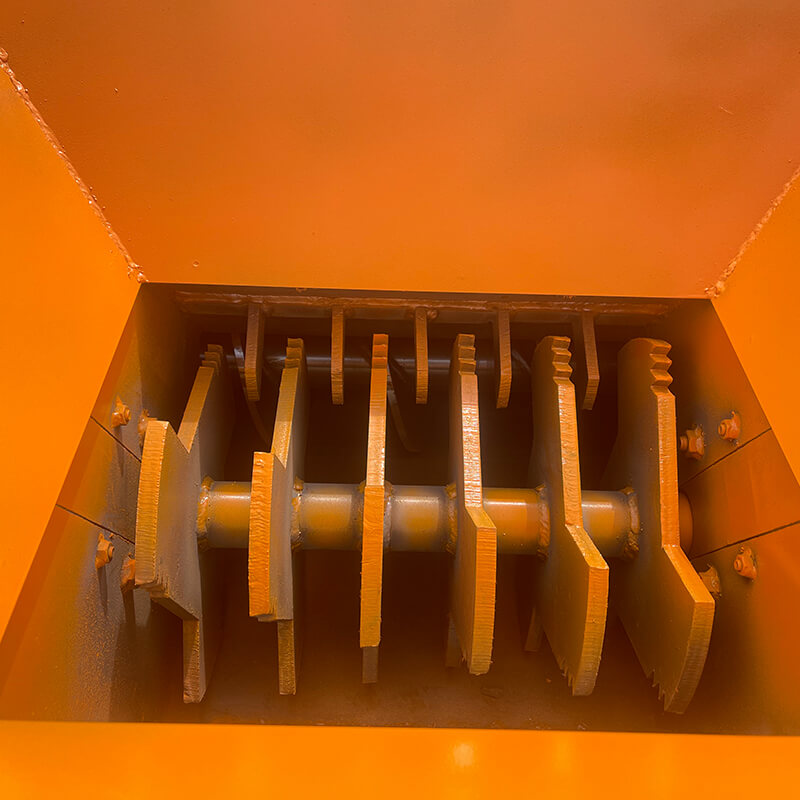
The following images provide additional visual reference for buyers comparing product structure, application value, and equipment details.


Sample Image Gallery